
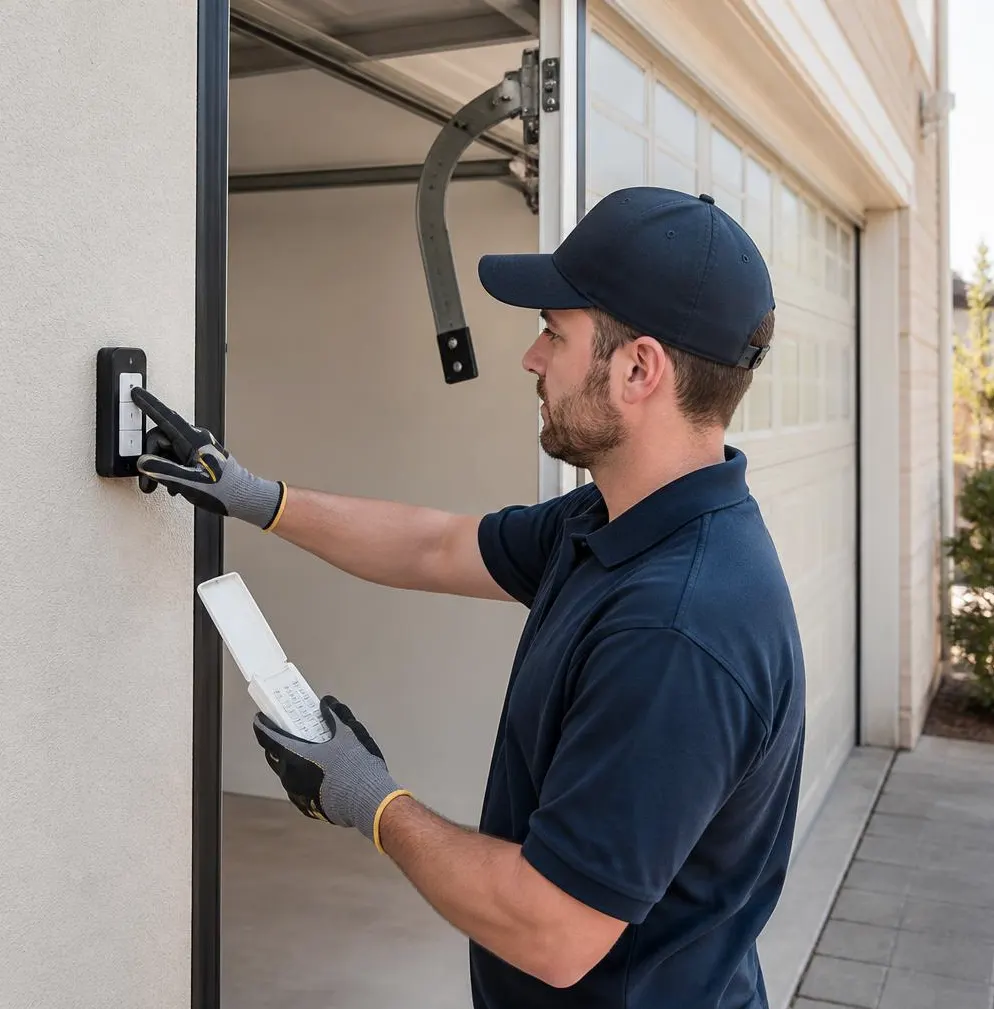
What Waiting Costs You This Winter
Skip the fall check and you're betting that a torsion spring holds on through the coldest morning of the year, that a cracked seal doesn't let meltwater and road salt soak into your garage floor, and that your opener doesn't start grinding the day you need to leave for work in sub-freezing temps. None of those are good bets. A spring that snaps in January usually happens on the coldest day, because cold steel is less flexible and more prone to sudden failure under tension. A door that won't seal properly lets in wind-driven snow and ice melt, which then freezes again on the garage floor. An opener that's been struggling all year finally quits when the motor has to work hardest against a stiff, cold door. Every one of these turns into an emergency call instead of a planned repair, and emergency calls cost more and leave you stuck.
Check the Weatherstripping and Seals Before the First Freeze
Independence summers are humid, and that humidity, followed by a hard winter freeze, is rough on rubber seals. The bottom seal and side weatherstripping dry out, crack, and lose their shape over a year of heat and cold swings. Walk out to your garage at night and look for daylight around the edges of the closed door. If you see light, you'll feel cold air, and you'll eventually see water or ice coming in along the bottom.
- Bottom seal: Replace it if it's flattened, torn, or no longer flexible when you press on it. This is a low-cost fix, typically in the range of a few dollars to a few tens of dollars for the strip itself, and it's one of the cheapest ways to keep ice and slush out of the garage.
- Side and top seals: Check for gaps where the door meets the frame. Brittle, cracked seals should be replaced before the first freeze, not after.
- Threshold seal: If your garage floor slopes or has gaps at the base, a threshold seal keeps meltwater from pooling and refreezing right where you park.
Why this matters more here than in milder climates
With the ice, salt, and freeze-thaw cycles typical of this area, water that gets past a bad seal doesn't just sit there. It refreezes, expands, and can make the door harder to open or even bond it to the floor overnight.
Give the Springs a Cold-Weather Look
Torsion springs lose some flexibility in cold weather, and a spring that was already near the end of its cycle life is far more likely to fail on a freezing morning than a mild one. Signs a spring is wearing out include a door that feels heavier than usual when lifted manually, visible gaps in the spring coils, or a loud bang from the garage (a snapped spring sounds like a gunshot). If your door is more than a few years old and you don't know when the springs were last replaced, fall is the time to have them checked, not mid-January when you're also dealing with ice on the driveway.
Protect the Opener and Sensors From Ice and Cold
Garage door openers work harder in cold weather because lubricant thickens, metal contracts slightly, and the door itself may be heavier if snow or ice has accumulated on it. Watch for an opener that hesitates, reverses without an obvious reason, or makes a straining noise before the door moves. The safety sensors near the bottom of the tracks are also vulnerable: ice buildup, road salt spray, or even condensation can block the sensor beam and stop the door from closing at all. Wipe the sensor lenses clean regularly through winter, and make sure nothing (ice chunks, stored items, a snow shovel) is sitting in the beam's path.
Lubricate and Clean Tracks, Rollers, and Hinges
Salt and grit tracked in on tires and boots don't stay on the floor. They end up on rollers, hinges, and tracks, where they accelerate rust and grind away at moving parts. Before winter sets in:
- Wipe down the tracks to remove dust, old lubricant, and debris.
- Apply a silicone-based or garage-door-specific lubricant to rollers, hinges, and the torsion spring itself (avoid household oils like WD-40, which attract dirt rather than repel it).
- Check that rollers aren't cracked or worn, since a stiff cold door puts more strain on them.
This is a maintenance task most homeowners can do themselves in under half an hour, but it's worth repeating again mid-winter once the salt and slush really start piling up.
Test the Balance and Auto-Reverse
Disconnect the opener and lift the door halfway by hand. It should stay in place on its own. If it drifts up or falls down, the springs are out of balance, which puts extra strain on the opener in cold weather when everything is already working harder. Also test auto-reverse by placing a block of wood in the door's path and closing it; the door should stop and reverse immediately. These are quick safety checks worth doing before the season turns, not after a storm when you're in a hurry.
When to Call Independence Garage Door
If you've checked seals, springs, and lubrication and something still feels off, that's the point to bring in a technician rather than keep adjusting things yourself. If the door is unbalanced, the opener is straining, or you hear grinding from the spring area, Independence Garage Door can run a full garage door maintenance visit to catch problems before the first freeze instead of after. And if a spring already looks worn, stretched, or close to the end of its life, our spring replacement service handles that safely under tension, which isn't a job to attempt with hand tools in cold weather.
Don't wait for a frozen door or a snapped spring to force the issue. Call Independence Garage Door today and get your garage door ready for whatever this winter brings to Independence, MO and the surrounding area.